Can You Save a Sofa That Hasn’t Been Cleaned in Years?

Your living room sofa is always there, ready for lounging, scrolling, napping, or curling up with a blanket. It holds on to all the snacks, shoes, sweat, and spills that come with regular use. And because the wear builds up slowly, you may not notice how dirty it’s gotten until the stains and odors start showing.
In many cases, a sofa that hasn’t been cleaned for years can still be revived. A deep cleaning done correctly can strip away layers you didn’t even know were there. And understanding what’s possible can help you decide on your next step.
What Years of Neglect Do to a Sofa
When a sofa hasn’t been cleaned in years, the fibers break down under accumulated dirt, oils, and friction. Odors seep deep into the padding, and hidden allergens multiply where you least expect them.
Over time, even the most durable upholstery begins to fade, flatten, and feel rough to the touch. Understanding what happens inside neglected fabric helps you see why regular care matters.
Fiber Wear and Fabric Breakdown
Years of use without cleaning cause microscopic abrasions from dust and debris that act like sandpaper on fibers. Before long, the weave weakens, and the texture feels thin and uneven.
What to look for:
- Frayed threads along armrests and seams.
- Rough patches where fabric once felt smooth.
- Flattened cushions caused by compacted grime and friction.
Regular vacuuming and periodic deep cleaning prevent these invisible cuts from compounding into irreversible wear.
Embedded Soils and Stains That Resurface
Even if a sofa doesn’t look dirty, layers of fine soil and oils have likely settled deep into its padding. This buildup can resurface as dark patches or “wicking” stains after light spot-cleaning.
How to identify it:
- Uneven discoloration that reappears after drying.
- Sticky or greasy textures where oils have been absorbed.
- A dull, gray hue that persists despite surface cleaning.
The key is professional extraction. Only high-powered steam and targeted detergents can dissolve and remove these stubborn residues completely.
Odors, Dust Mites, and Hidden Allergens
Unwashed upholstery traps sweat, skin flakes, pet dander, and other organic matter that become food for dust mites and bacteria. These microscopic occupants cause musty odors and can trigger allergy flare-ups.
What happens inside:
- Dust mites multiply, thriving in warm, humid foam.
- Bacteria feed on body oils and residues.
- Odors bond with fabric, making the air in the room smell stale.
A professional-grade disinfecting treatment neutralizes both odors and microbes at their source, not just masks them.
Fading, Felted Fabrics, and Color Loss
Prolonged sunlight, oils, and friction combine to dull the original color of the sofa. Without cleaning, fibers lose their protective finish, making dyes break down faster.
Watch for:
- Uneven fading between areas exposed to light and shadow.
- Matting or felting, especially on textured fabrics like chenille or velvet.
- Color bleeding when damp cleaning attempts are made.
Timely cleaning maintains the integrity and UV resistance of the fibers, keeping colors true and textures plush.
When Professional Upholstery Cleaning Is the Only Answer
There’s a point where no home remedy or fabric spray can revive a sofa that’s been ignored for years. That’s when professional cleaning is the best option. Certified upholstery cleaners use specialized tools, pH-balanced solutions, and fabric-safe techniques that restore hygiene and appearance without damage. These experts know exactly how to handle everything from deep stains to delicate materials.
Deep or Set-in Stains
Old coffee spills, wine marks, and greasy headrest spots aren’t surface level anymore. They’ve traveled through the fibers. Attempting to scrub them out yourself can set the stain deeper or bleach the surrounding fabric.
Professionals handle this by:
- Pretreating stains with enzyme or solvent-based agents specific to the contaminant type.
- Agitating fibers gently to release pigment and residue.
- Rinsing with extraction that flushes out loosened soil and moisture completely.
This controlled process ensures stains don’t wick back once the sofa dries.
Mold, Mildew, and Moisture Damage
If your sofa has been in a humid environment or, worse, a damp basement, it may harbor mold inside the cushions. These spores not only smell musty but can also degrade foam and affect indoor air quality.
Professional cleaners remedy this through:
- Moisture detection tools that locate hidden dampness.
- Antimicrobial rinses that kill mold without discoloring fabric.
- High-heat drying systems that prevent regrowth.
Trying to DIY mold removal with household cleaners can backfire, as it can only spread the spores and create permanent stains.
Pet Urine, Dander, and Persistent Odors
Pet accidents don’t just leave visible stains. They seep into the padding, releasing ammonia gases and bacteria. Even after cleaning the surface, odors often return because the contamination lies beneath.
Professional technicians use:
- Sub-surface injection systems that deliver neutralizing agents deep into the foam.
- Hot water extraction to lift residues from multiple layers.
- Odor oxidation treatments that destroy the molecular source of smells.
These specialized steps go far beyond what standard household products can achieve.
Allergen and Health Concerns
Over time, your neglected sofa becomes a silent allergen factory. For homes with children, elderly family members, or pets, this can pose real health risks.
Professionals target this by:
- Applying anti-allergen treatments safe for fabrics and sensitive users.
- Restoring pH balance, which discourages bacteria from recolonizing.
After treatment, your upholstery isn’t just clean – it’s genuinely sanitary and safer for your household.
How to Maintain Your Sofa After a Deep Clean
Once you invest in professional cleaning, your next goal should be to keep your sofa in good shape for as long as possible. The right maintenance habits prevent new stains, keep fabrics soft, and dramatically extend the life of your upholstery.
Regular Vacuuming and Surface Care
Even after a deep clean, dust and debris return within days. Frequent vacuuming removes dry soils before they can settle and abrade the fabric again.
Routine care checklist:
- Vacuum weekly using a soft brush attachment.
- Flip and rotate cushions to even out wear.
- Wipe hard surfaces like armrests with a dry microfiber cloth.
This easy routine prevents buildup and keeps your sofa looking newly refreshed.
Spot Cleaning the Smart Way
While spills, smudges, or pet marks are inevitable on sofas, reacting correctly makes all the difference. Improper cleaning can spread stains or leave stiff, blotchy patches.
Follow this quick-response method:
- Blot immediately (never rub) using a white cloth or paper towel.
- Check the fabric tag for cleaning codes: “W” for water-based, “S” for solvent, “WS” for either, and “X” for vacuum-only.
- Use a mild cleaner, like a diluted upholstery shampoo, and test it first on a hidden area.
Gentle handling ensures you don’t undo the effects of your recent professional cleaning.
Use Protective Sprays and Fabric Guards
Modern upholstery protectants create a breathable barrier that repels liquids and dirt. Applying one after cleaning helps preserve your sofa’s fresh look longer.
Here’s what to consider:
- Ask your cleaner if they offer a fabric protection service right after the deep clean.
- Choose water-based, non-toxic products safe for your fabric type.
- Reapply every 6–12 months, or sooner for high-traffic areas.
This invisible layer buys you precious time during spills and makes cleaning far easier.
Set a Cleaning Schedule
Consistency is key to keeping your sofa beautiful and hygienic. Neglect happens slowly, but regular attention keeps the deterioration from starting again.
Ideal maintenance rhythm:
- Light vacuuming weekly and spot cleaning as needed.
- Professional cleaning every 12–18 months, depending on usage.
- Quarterly inspections for early signs of stains, fading, or odor.
Keeping a cleaning calendar ensures your sofa never falls back into the “years of neglect” trap again.
Refresh and Renew Your Sofa With Christopher’s Professional Upholstery Cleaning Service!
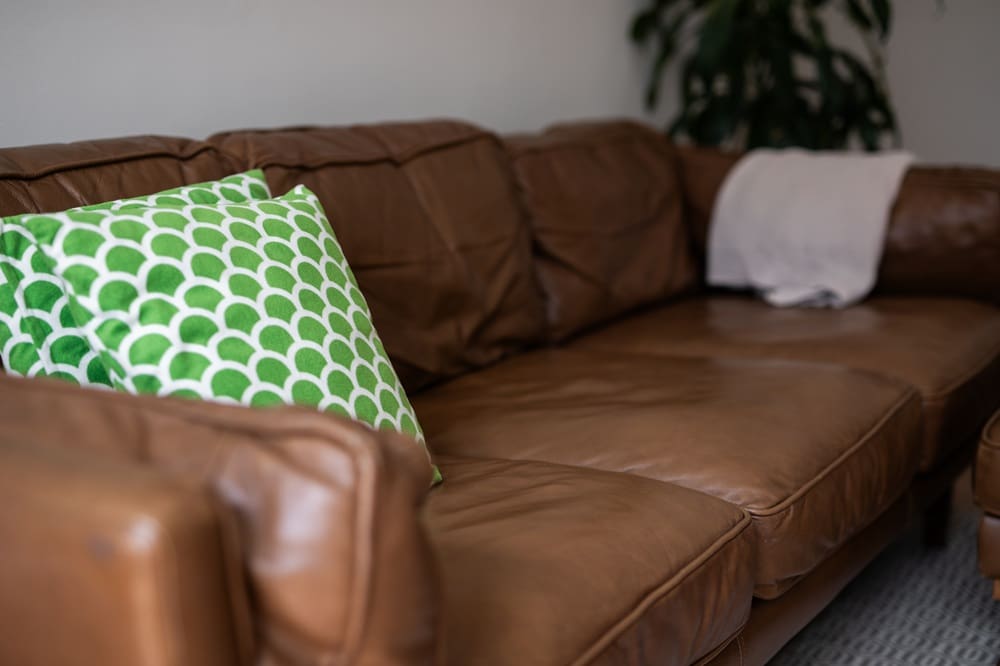
Refresh your well-loved sofa with Christopher’s professional Upholstery Cleaning Service. Whether your sofa graces a historic estate, a luxury penthouse, or your family’s favorite gathering spot, Christopher’s has the experience to remove even the most challenging spots and soil from your fine furniture.
Since 1993, our specialists have perfected the art of cleaning fine upholstery and luxury furniture across the greater Baltimore–Washington D.C. area, including Northern Virginia and the Maryland suburbs.
Our technicians are trained to handle the most delicate fabrics and the toughest soils, combining decades of craftsmanship with state-of-the-art, eco-friendly cleaning solutions. From velvet and silk to intricate weaves and antique upholstery, Christopher’s brings precision, care, and unmatched attention to detail to every project.
At Christopher's, we don’t just clean – we renew! When you choose Christopher’s, you choose the region’s most trusted upholstery cleaning experts, relied upon by fine restaurants, executive offices, and discerning homeowners alike.
📞 Call us today at 240-693-5857
📧 Email: genmgr@mychristophers.com
🏠 Visit us: 2931-E Eskridge Road, Fairfax, Virginia, 22031